


Commissioning a Memorial or Commemorative Oak Bench: A Step-by-Step Guide
A memorial bench does more than mark a name. It gives people somewhere to sit, remember, and let the conversation drift. That is why commissioning one deserves a little care. The process is straightforward when you take the decisions in the right order: purpose first, then design, wording, plaque, siting and long-term care. Oak, with its weight and quiet grain, has been the natural choice for such seats for centuries. It weathers gracefully, repairs well, and feels solid underhand.
Most commissions go slightly wrong in the same quiet way. Someone falls for a photograph of a bench online before anyone has asked who will actually sit on it, where it will stand, or what the inscription needs to say. Working through the steps below takes an afternoon of thinking and saves months of small regrets.
Start with the purpose, not the product
Ask who the bench is for and how it will be used. A quiet seat for one person is a different piece of furniture from a wide bench for three generations. Do visitors need armrests to push up from? A higher back? Space beside the seat for a walking frame or a bunch of flowers? If children will use it, rounded edges matter. If it faces a view, the backrest height should not block it when seated.
Visit the intended spot at different times of day. Morning sun, afternoon shade, traffic noise and prevailing wind all change how a place feels. Think about the next twenty years, not just the first summer. A bench that suits a sheltered garden may feel bleak on an exposed headland.
Three briefs, three different benches. A widow wanting a single seat facing a churchyard needs a modest two-seater with a firm, level base. A family commemorating a grandfather who taught everyone to fish needs a wider bench with a low back, so nobody has to turn round to watch the float. A rowing club remembering a coach needs something robust enough for wet kit and muddy boots, sited where crews actually gather. Write your brief in one sentence before you speak to a maker. If you cannot, the design is not yet clear.
Choose oak and a design that can be repaired
Oak is chosen for outdoor furniture because it is dense, durable and ages well. English oak and European oak are both used; the important questions are how the timber was dried and how the bench is put together. Air-dried oak moves with the seasons, which is normal. Kiln-dried oak can be more stable, but it still needs sensible design. Look for traditional joinery such as mortise and tenon, stainless steel fixings, and a maker who can explain how water will drain away from the joints.
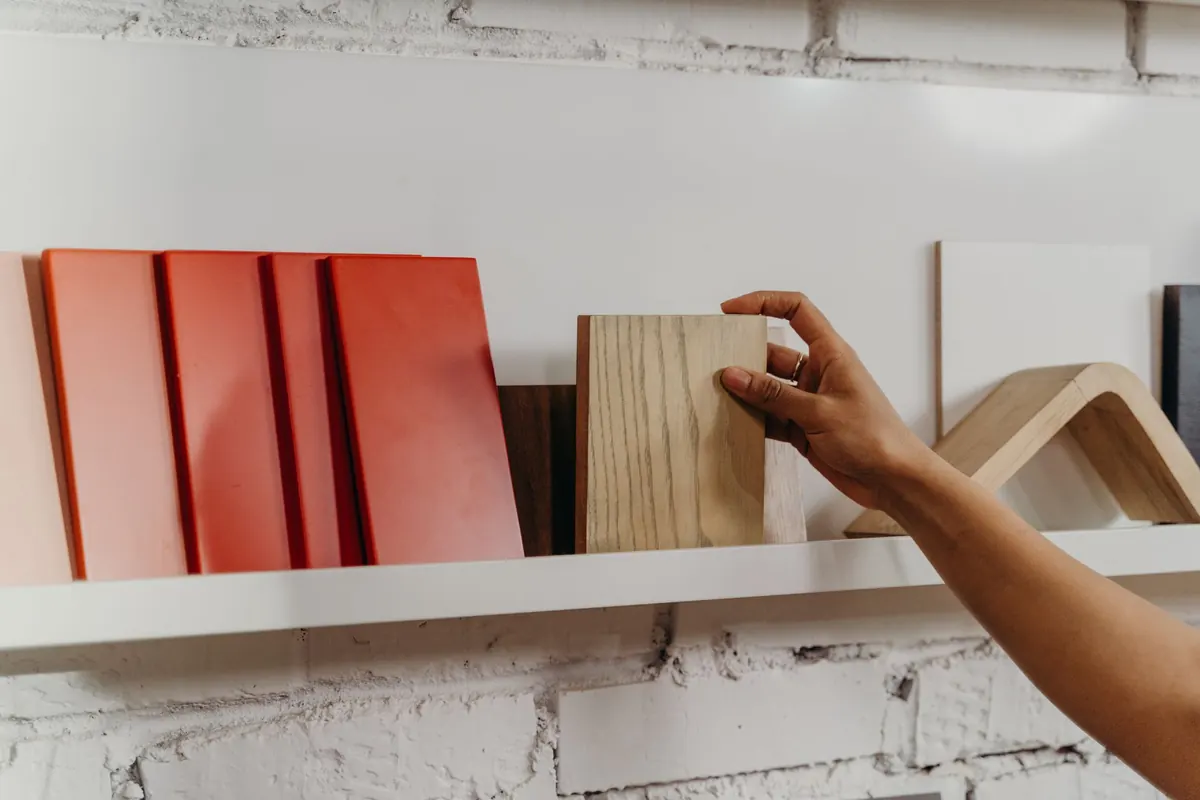
A finish is optional. Left bare, oak turns silver-grey. Oiled, it keeps a warmer tone but needs refreshing. Ask for samples and ask what happens after five years of rain.
Pay attention to the feet. On almost every neglected bench, the rot starts at the bottom of the legs, where end grain sits in damp soil or long grass. A well-designed bench has feet that stand clear of the ground on paving, stone pads or stainless steel shoes, so air can move around them and water runs away. That single detail will add years to the life of the seat.
- Where is the oak from, and how was it dried?
- How are the joints cut, and which fixings are used?
- What finish do you recommend for this site?
- Can the bench be dismantled for repair or moved later?
- Who installs it, and what base do you require?
Wording that will still read well in twenty years
An inscription has to do a lot in a small space. Start with the name, then dates, then one short line if it earns its place. Full dates can be useful, but a year range is often enough. Avoid too many words. A cramped plaque becomes unreadable from standing height, especially in low light.
Read the wording aloud. If it sounds like a formal notice, simplify it. If it is an inside joke, ask whether it will still make sense to someone who did not know the person. If you want to use a line from a poem, hymn or song, check the copyright position before you commission the engraving; permission may be needed. Ask for a proof and check spelling, punctuation and date order carefully. Once cut into oak or metal, mistakes are expensive to undo.
In memory of Margaret Ellen Hughes, 1948–2019. Who loved this view.
As a rule of thumb, engraved letters smaller than about 12mm are difficult to read from standing height, and a plaque crowded to its edges looks mean. Leave a margin. If two families are contributing, agree the final wording in writing before anyone pays a deposit; more inscriptions are spoiled by late additions than by bad lettering.
Plaques, materials and fixings
A plaque can be brass, bronze, stainless steel, aluminium or engraved oak. Brass and bronze age gracefully, stainless steel stays crisp, and engraved oak blends into the bench but can be harder to read as the grain darkens. Cast or engraved letters are easier to maintain than paint-filled letters, which may need touching up.
Fix the plaque to a flat, solid part of the bench. The top back rail is common because it is flat, strong and clear of hands, elbows and wet coats. A central rail or the front edge of the seat can work too, but check the plaque does not sit where it will be scuffed by shoes or catch on clothing. Choose a plaque size that suits the bench: a small plate on a long seat looks lost, and an oversized one makes the timber look thin.
Brass screws are the traditional choice, but where the plaque and the fixings are dissimilar metals, a nylon washer or a bead of sealant between them prevents the quiet corrosion that stains oak black. Avoid adhesives alone. Screws are removable, which means the plaque can be taken off for polishing or kept safe if the bench is ever moved or repaired.
Finally, security. Hidden or tamper-resistant fixings are worth the small extra cost for a bench in a public place. Keep a copy of the plaque wording, and the maker's details, with the family papers. A photograph of the finished bench, taken in good light, is a surprisingly useful record.
Siting, permissions and installation
The right bench in the wrong place becomes a nuisance. Before anything is ordered, confirm who owns the land and who will give permission. Village greens, churchyards, parks, beaches and roadside verges all have different owners and different rules, and many councils run their own memorial bench schemes with set designs and waiting lists.
- Who owns the land, and is written permission needed?
- Is there a council or trust memorial scheme to join?
- Will the bench be in the way of mowers, wheelchairs, prams or footpaths?
- Is the ground firm, level and well drained?
- Can a delivery vehicle reach the site, and can the bench be carried in?
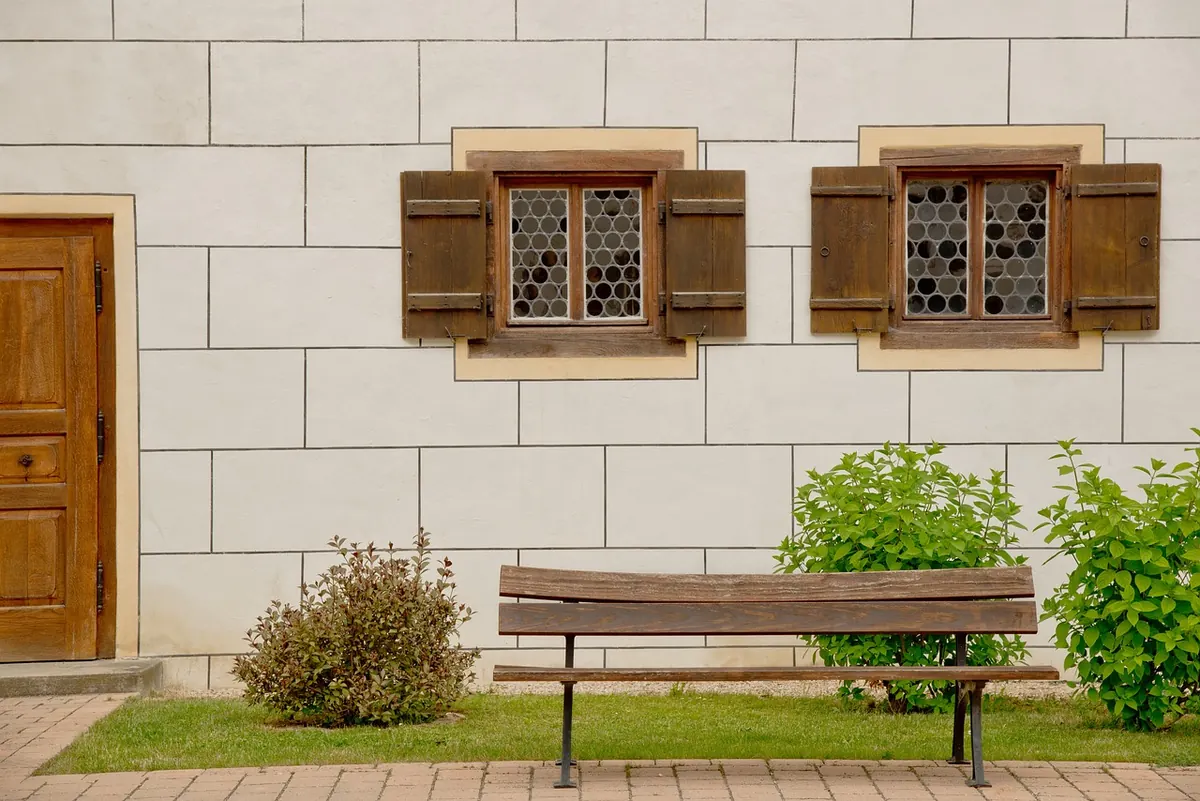
Avoid siting a bench directly under a dripping tree, against a wall that sheds water, or at the low point of a slope where puddles gather in winter. A paved or gravel pad, slightly larger than the bench, keeps feet dry and makes mowing easy. If the bench stands on grass, set the legs on buried pads so the timber never touches bare soil.
Budget, lead times and choosing a maker
Prices vary widely with size, joinery, timber source and engraving, so ask for a written quotation that separates the bench, the plaque, delivery and installation. Expect a deposit, and expect a lead time measured in weeks rather than days if the bench is made to order. Ask to see previous work, and if you can, visit the workshop.
- Is the quotation fixed, and what does it exclude?
- Is the timber certified or grown locally?
- Is the engraving done in-house or subcontracted?
- What warranty comes with the bench and the fixings?
- Are they insured to install on the site?
Looking after the bench in the years ahead
A good oak bench needs very little, but it does need someone to notice it. Once a year, check the fixings and tighten any that have worked loose, clear leaves and debris from the joints, and wash the plaque with warm soapy water and a soft cloth. If the bench was oiled, refresh it in dry weather. Trim grass and shrubs away from the feet so air can reach the timber.
If a joint does fail, or a rail is damaged, that is not a disaster. A repairable bench is a bench that lasts, and a local joiner can usually replace a single component rather than the whole seat. Keeping the maker's details makes that far easier.
Commissioned carefully, an oak bench becomes part of a place rather than an object in it. People will not remember the joinery or the finish. They will remember where they sat, and who they thought about while they were there.
Photo: Foundry / Pixabay