


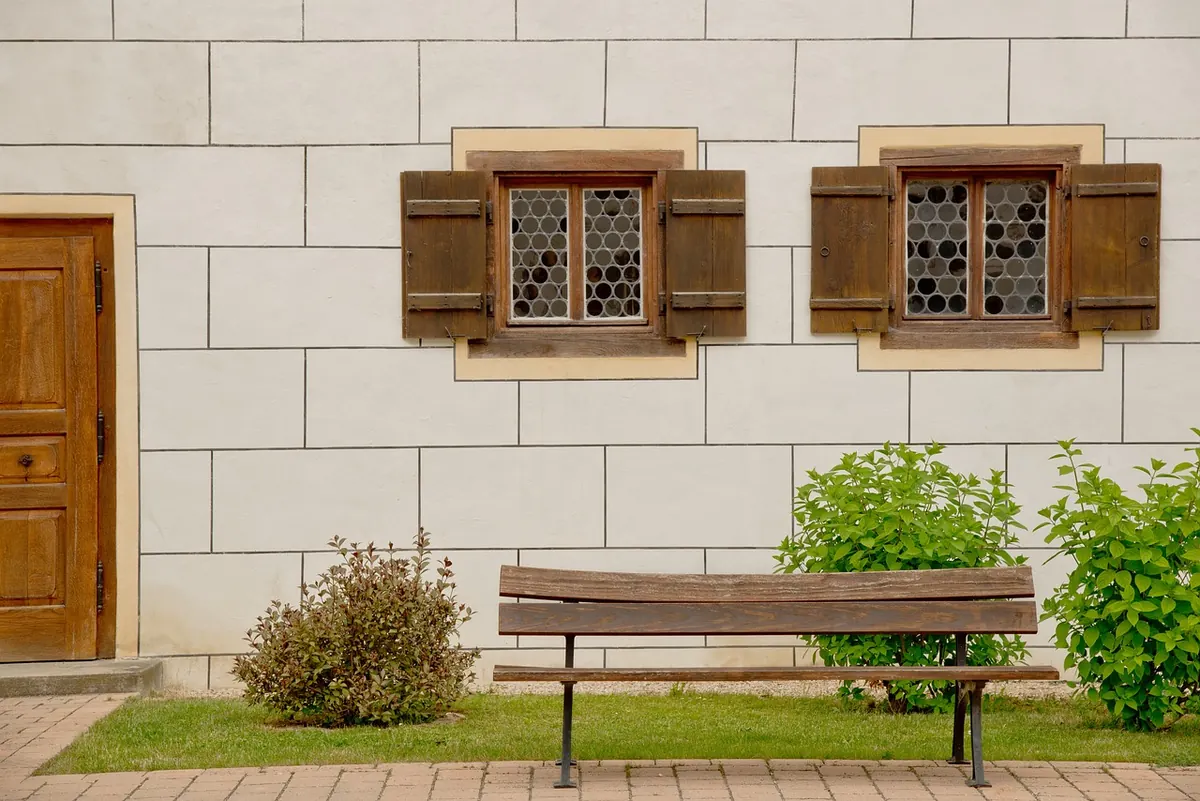
An oak bench earns its place in a garden by looking better every season — but only if the weather is kept on the right side of it. Left bare through a British winter, oak will grey, drink water at the joints and begin to split. A sensible finish, a breathable cover and a routine you can actually keep up will add years to it.
What the weather actually does to oak
Oak is a tough timber, and the first change you will notice — that silvery grey — is mostly cosmetic. Ultraviolet light breaks down the surface fibres and the colour fades, but the structure underneath is usually fine. Grey oak is not damaged oak.
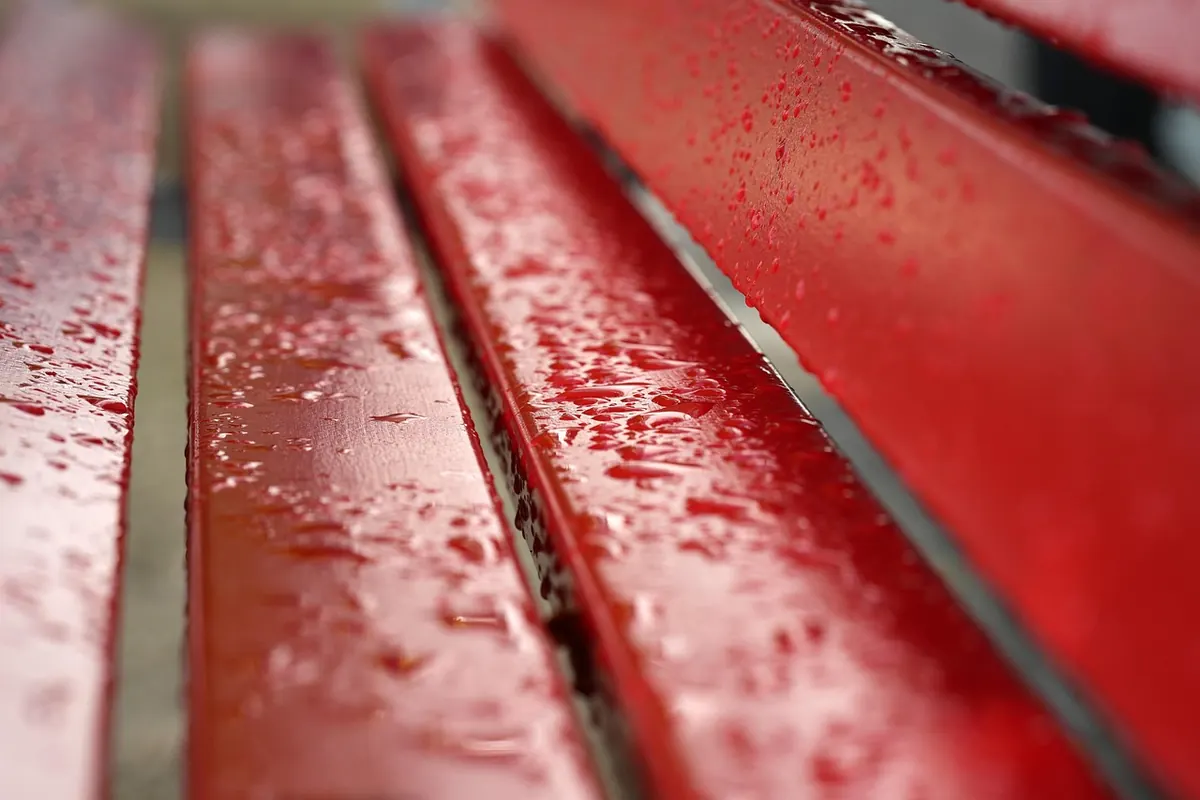
The real work is done by water and temperature. Rain soaks into the end grain of legs, arms and slats far faster than it soaks into a flat face, and the wood swells. When it dries, it shrinks again. Repeat that cycle often enough and hairline cracks open at the ends of the rails, letting in more water each time. In shaded, sheltered corners you will also see algae and black surface mould, which hold moisture against the timber.
Frost finishes the job. Water sitting in a hairline crack freezes, expands and prises the grain apart. Sun and wind then dry the surface too quickly, which is why splits tend to appear at the end grain rather than in the middle of a board.
Two oak-specific quirks are worth knowing. Tannins in the wood leach out with rain and can leave brown stains on pale paving. Those same tannins react with iron and steel, so ordinary screws and bolts can blacken the wood around them and corrode. Stainless steel or brass fixings avoid both problems.
Choosing a finish you will actually maintain
There is no single best finish. There is only the one you are willing to renew, so be honest about that before you buy a tin.
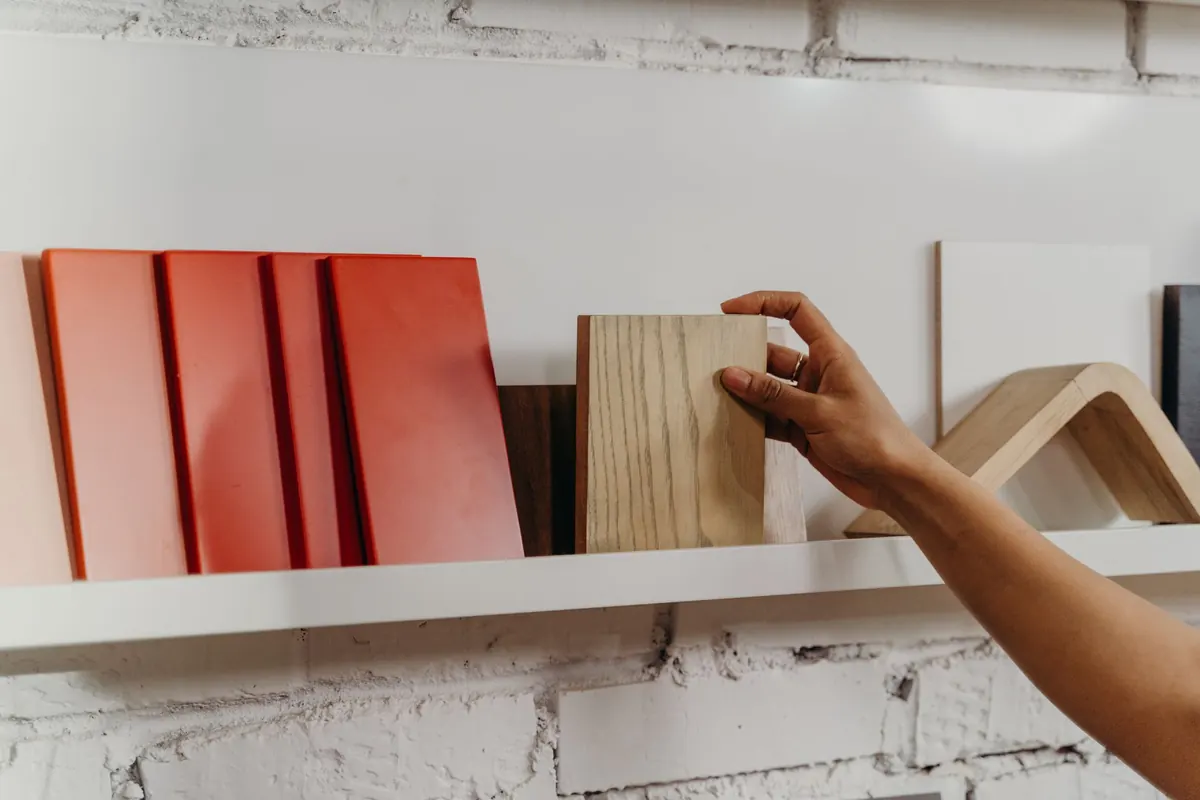
Penetrating oils
Teak oil, Danish oil, hardwax oil and oils sold specifically for garden furniture soak into the timber rather than sitting on top of it. They will not peel or crack, they are quick to top up, and they leave the grain looking like wood rather than plastic. Expect to reapply once a year, sometimes twice on a very exposed bench.
Microporous stains and preservers
These add pigment and UV protection and are breathable, so moisture can still escape. They last longer between coats than oil, but they do eventually need stripping back and renewing, and a coloured finish is harder to patch invisibly.
Film finishes
Varnish, lacquer and yacht-style coatings look superb for a season or two. The problem outdoors is that one scratch or hairline gap lets water in underneath, where it sits and lifts the film. You then spend a weekend sanding it all off. Choose a film finish only if you enjoy that kind of maintenance.
Traditional boiled linseed oil is cheap and has been used for centuries, but in damp, shaded gardens it can feed mould and darken the wood unevenly, and it needs frequent renewal. Whichever route you take, stick with it — mixing oil over a stain, or varnish over oil, gives patchy results. If the bench is new, read the maker's instructions first; many arrive pre-treated, and some finishes should not be over-coated.
Preparing and treating the wood
- Pick your window. Two or three rain-free days, temperatures above about 10°C, and no blazing midday sun. Damp wood will not absorb oil properly.
- Clean it. Warm water, a little mild soap and a stiff brush, working along the grain. For black spots or tannin staining, use a dedicated wood cleaner or an oxalic-acid-based restorer, then rinse thoroughly.
- Let it dry. Two or three days is sensible, longer in cool, humid weather. Joints and end grain hold water far longer than they look as though they do.
- Sand lightly. A 120 to 150 grit paper, along the grain, knocks back raised fibres. Do not over-sand or round off crisp edges — that is much of the bench's character.
- Clear the dust. Brush and vacuum the joints, then wipe down.
- Test a hidden spot. The underside of a rail or the inside of a leg is ideal, especially on an engraved or commemorative bench.
- Apply thin coats. Brush or cloth, along the grain. Wipe off any excess after fifteen to thirty minutes so it does not turn tacky.
- Build it up. Two coats minimum, three on end grain, leaving a day between coats.
End grain and joints: the weak points
Picture end grain as a bundle of drinking straws. It soaks up finish several times faster than a flat face, so give it extra attention and extra coats. Joints deserve a look too: if a tenon is exposed, treat the mating surfaces before it dries out further. A little clear wax on a freshly oiled end grain helps slow the next round of water uptake.
Covers, placement and airflow
If you buy one accessory, buy a breathable cover. The word that matters is breathable. Plastic sheeting, a cheap tarpaulin or anything non-porous laid over the bench traps condensation underneath, and the wood stays wet for days. That is worse than leaving it uncovered.
- Take the cover off for a dry spell every few weeks so the timber can air.
- Store cushions indoors or in a ventilated box — damp foam keeps the seat slats wet.
- Stand the bench on paving, stone or a hard path rather than soil, gravel or grass.
- Fit rubber or plastic feet, or slip pads under the legs, to lift the end grain out of standing water.
- Avoid the spot under a dripping gutter or a tree that sheds leaves; both hold damp in the joints.
- If you can move it into a porch, garage or shed for the worst of winter, do — even a sheltered wall helps.
A year-round treatment schedule
You do not need to do much, but the work has a rhythm to it.
- Spring: clean the bench, check the fixings, then oil or re-treat. The simple test is water: if it no longer beads on the surface, it is time for another coat.
- Summer: touch up scratches and worn patches before they become traps for water. Move the bench so it gets some shade from midday sun if the position allows.
- Autumn: a light maintenance coat before the rain settles in, and clear leaves and debris from the slats and around the feet.
- Winter: brush heavy snow off rather than letting it melt into the joints. Keep de-icing salt away from the wood, since it drifts and stains. Never chip ice off with a metal tool.
On a fully exposed bench, plan on treating once a year, and twice if it takes the brunt of wind and driving rain. A sheltered one may go eighteen months.
Repairs and early warning signs
Deal with small problems while they are still small. Hairline splits at the ends of slats can be slowed with generous oiling. Loose joints usually just need stainless fixings nipping up, though not so hard that the wood splits. Black staining around an old screw means it is time to replace that fixing with stainless steel or brass.
A dull thud when you tap the legs, or a patch that feels soft under a thumbnail, points to rot. Treat it promptly with a suitable wood preservative, and be prepared to replace a structural piece rather than patch over it. Fine dust and small round holes suggest wood-boring insects. If the bench is antique, commemorative or otherwise valuable, talk to a furniture conservator before you sand or coat anything.
Making it last
An hour of cleaning and oiling once a year, a breathable cover, four rubber feet and a habit of noticing changes early is genuinely all this takes. Oak gives a great deal back for very little effort, provided the effort arrives before the cracks do.
Photo: makabera / Pixabay